

The Fabric's Heir
Updated: Nov 16, 2025

In the Garden, a Beginning
There’s a soft rustle as Bruno, the dog, pads across the gravel path. A Lagotto Romagnolo with honey-colored curls and the calm demeanor of someone who’s lived here forever. His favorite spot is the sofa in the garden room, upholstered in waterproof cotton—sturdy, bright, warm orange. A color that once belonged to someone else. A fabric that was never meant for a dog.
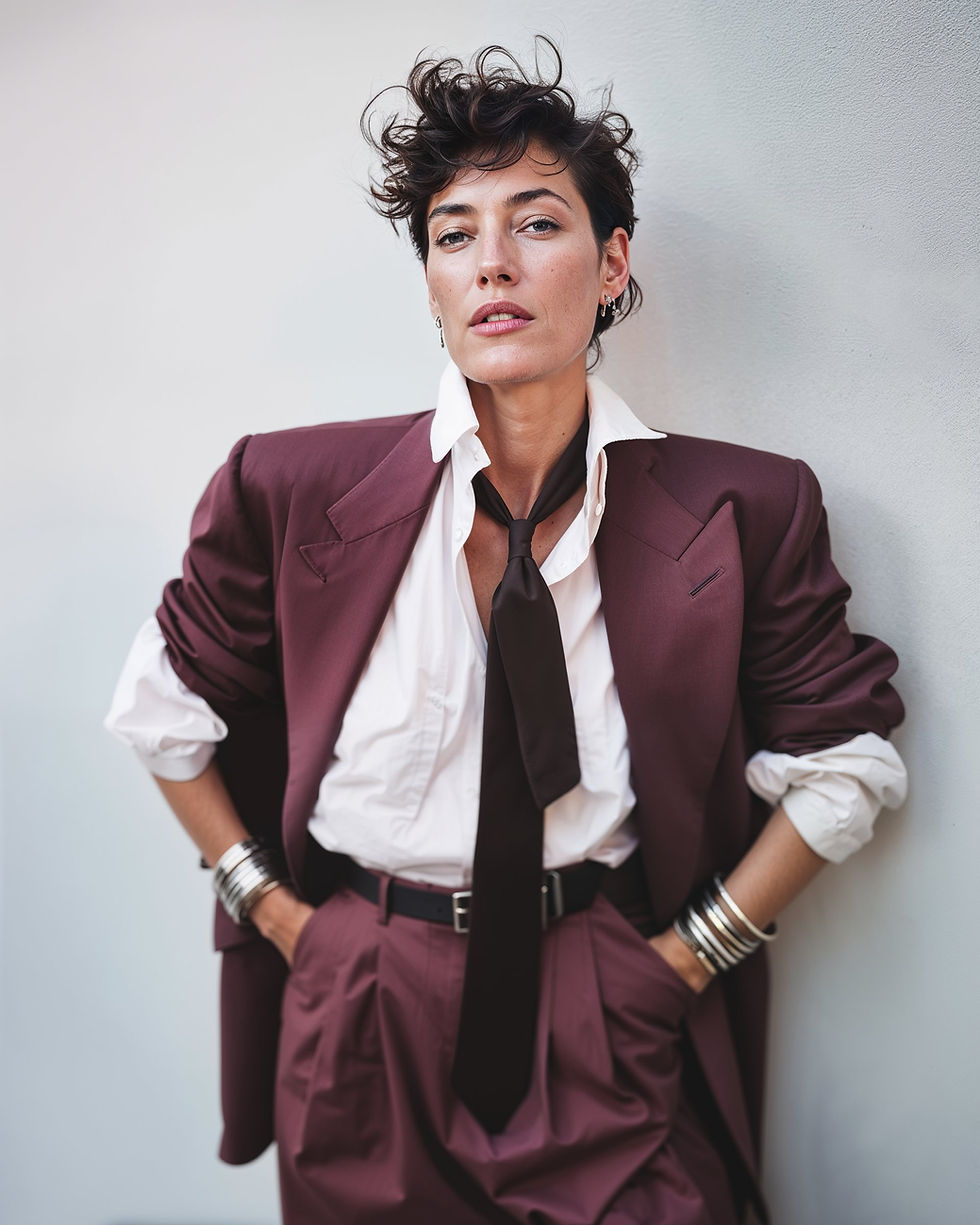
Cecilia Moriano sits at the large table by the window. A cigarette glows between her fingers, untouched. Her gaze is open, tired, yet fiercely alert. Her hair—contained and then not. In front of her: sketches, a faded swatch fan, watercolor petals on loose paper. The shutters are open, and spring drifts through the old villa with the scent of dust and flowers.


A Family Story, Recut
The Manufacturer of Textiles "Moriano" was never built for her. Founded by her great-grandmother, shaped by her father’s discipline, it had long been a men’s world. Cecilia was “the creative one,” the younger sister who painted florals and was praised but never taken seriously. Her brother was the heir. The plan was clear.
Then he stepped down. Quietly, without drama. And suddenly, her father turned toward her, not out of belief, but necessity. The company was on the brink of being sold. The machines were aging. The market had forgotten them. She said yes on one condition. “I’ll do it. But only my way.”
The Orange Rebellion
She returned to a fabric everyone had forgotten. A deep orange cotton, first woven by her great-grandmother, inspired by southern light and warm terracotta dust. Cecilia had it rewoven. She sealed it against water, against fading, against doubt. It became the heart of a collection that spoke softly, but was impossible to ignore.
She named the fabric Aranciata Antica. And just like that, a family legacy that had turned grey found its color again.

Life, Rewritten
Cecilia now lives in a corner of the old factory grounds, in a villa made from concrete from the 1970s. Part of the property had to be sold. A row of new-built homes stands where the "dye garden" once was. It still stings. Sometimes she stands barefoot at the window, smoking in silence, Bruno curled at her feet. Watching the flat lawns. Listening for something only she remembers.
Her husband Enzo is a photographer. Not of people, not of fashion. He photographs light. Scratches on tables. Flowers in collapse. “She fights quietly.” he once said. “Without armor. But with conviction.”
Paper, Petals, Light
In the back garden, the flowers bloom only once a year. Cecilia collects them, dries them, crushes them into pigment. With that pigment, she colors her sketches—floral prints that fold into paper garments, fabrics that hold memory like breath. The next collection will come from those pigments. Soft, broken, glowing.
And when she walks through the house at night, barefoot, with Bruno behind her, it feels for a moment, as if she had always known this would be her story. That she would be the one to stay. Not because someone asked her to. But because no one expected it.
DWHH.art is the personal art project of Daniel Weiss – a collaboration between humans and AI. All stories and images are fictional – created with artificial intelligence, told with human imagination. For all those who believe that beauty is allowed to think.


Comments