

The Beauty of the Flaw
Updated: Nov 16, 2025

Milan, Afternoon.
Sunlight shines in narrow stripes through the tall windows of a 1920s palazzo. The city’s hum is softened, as if time were trapped behind glass. In Contessa Ludovica di Brera‘s salon, light glimmers on lacquered surfaces, on gilded frames, on the skin of porcelain. The air smells faintly of paper, perfume, and memory.
The Collection of Fractures.
Between Memphis lamps and Gio Ponti furniture stands a gathering of figures untouched by perfection. A horse whose head has sunk into its belly. A pair of lovers fused in the kiln. Angels with double wings. Deformations and collapsed bodies — what the Contessa calls Gli Imperfetti, the Imperfect Ones.
She arranges them not by value, but by proximity. “I don’t collect beauty,” she says. “I collect stories.” In her world, what others discard becomes essential. Flaws are not faults here — they are evidence of existence.


The Moment of Fire.
It might have begun in childhood, during a visit with her mother to the old Doccia porcelain factory near Florence. She remembers the scent of heat, the molds of clay, the kilns breathing like living animals. One figure slipped from its frame, the glaze ran and suddenly there it was: the intuition that imperfection could be beautiful.
Ludovica recalls it with a barely visible smile. “I think I always loved what didn’t fit,” she says. “You just have to give coincidence a place to happen.”
Between Glamour and Fracture.
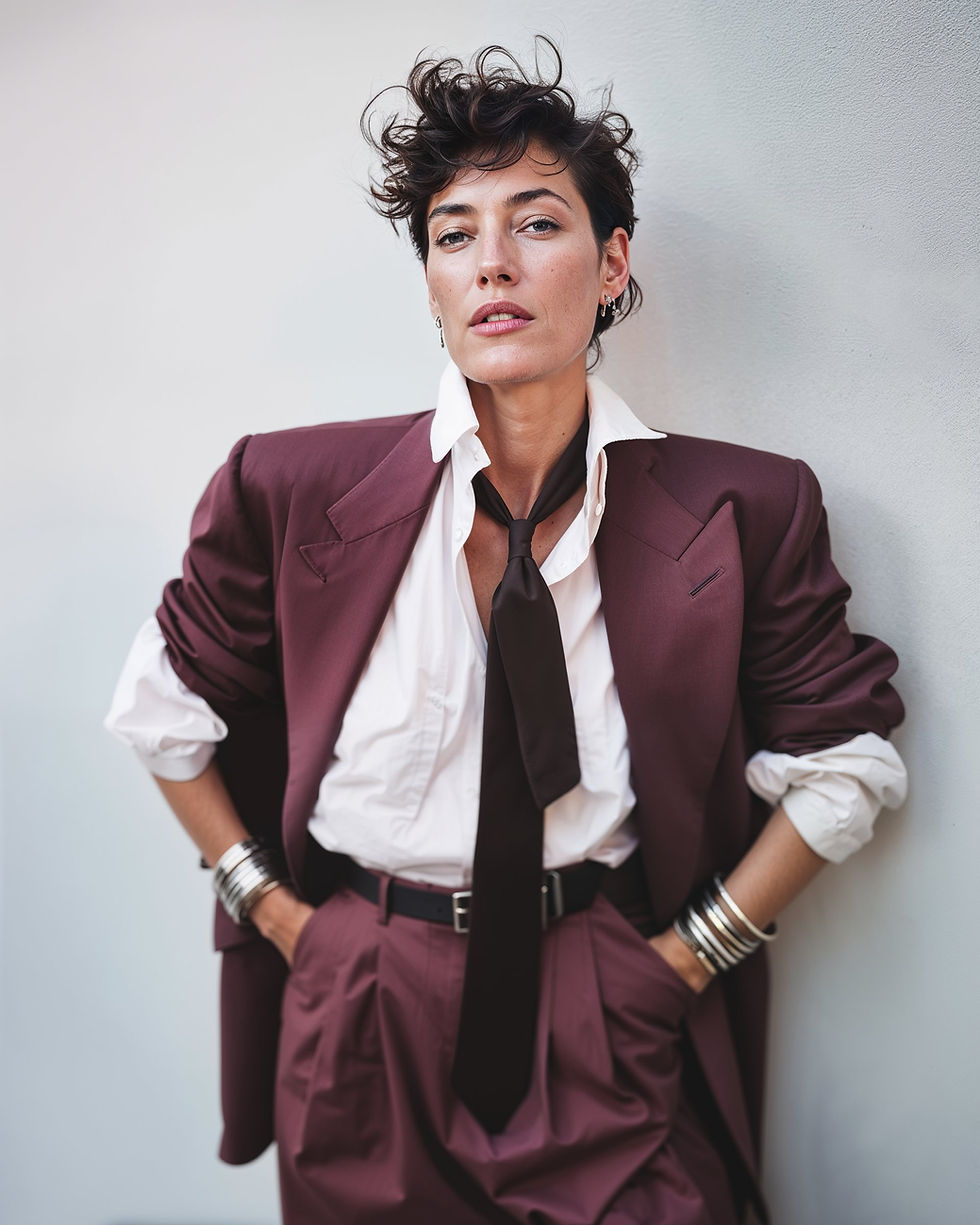
Later, in the 1970s, she moved through another kind of fire, the social one. New York, Cannes, Capri. Nights that smelled of champagne, days scented with sunscreen. She wore Halston, laughed with artists who are now history, and let Andy Warhol paint her. “He liked me because I never smiled,” she says. “He said I looked like I already knew how it would end.”
Maybe that was the moment when fashion became attitude. Today her rooms are a choreography of colors and recollections: emerald walls, velvet, mirrors, porcelain. A place between theatre and silence, between excess and decay.

The Manifesto of Imperfection.
In this world, every object carries its vulnerability. Every horse, every angel, every dancer bears the traces of collapse. But the Contessa keeps them like relics. “An accident isn’t an ending,” she says. “It’s the beginning of a new form.”
She moves through the room as if conducting it. Gestures slow, deliberate, reverent. It feels as though every motion holds chaos in fragile balance. Beauty here, isn’t an achievement, it’s a decision.
The Moral of the Flaw.
Anyone who listens to Ludovica di Brera understands that her collection is more than an aesthetic statement. It is a space for thought. An attitude towards chance. A philosophy of the unfinished.
“Beauty,” she says, “doesn’t come from control, but from trust. You have to let the material do what it wants. Life too, for that matter.”
And so she sits among figures frozen like gestures, in a room that speaks of both brilliance and breakage. Of what fades and of what remains.
DWHH.art is the personal art project of Daniel Weiss – a collaboration between humans and AI. All stories and images are fictional – created with artificial intelligence, told with human imagination. For all those who believe that beauty is allowed to think.


Comments