

Interview with Hideo Mori
Updated: Nov 16, 2025

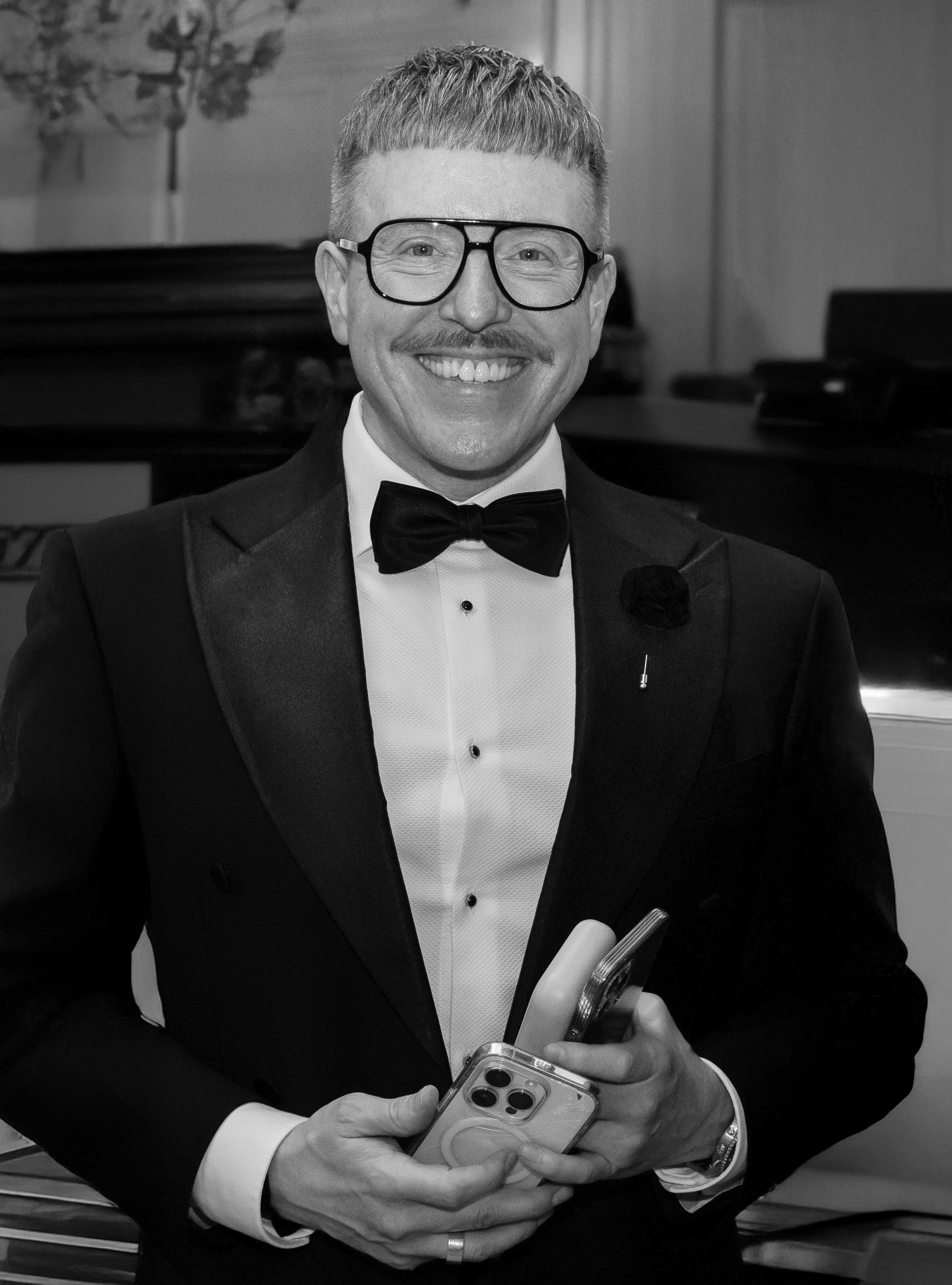
Daniel Weiss x Hideo Mori
About hearing, about passing
and the silence between two breaths
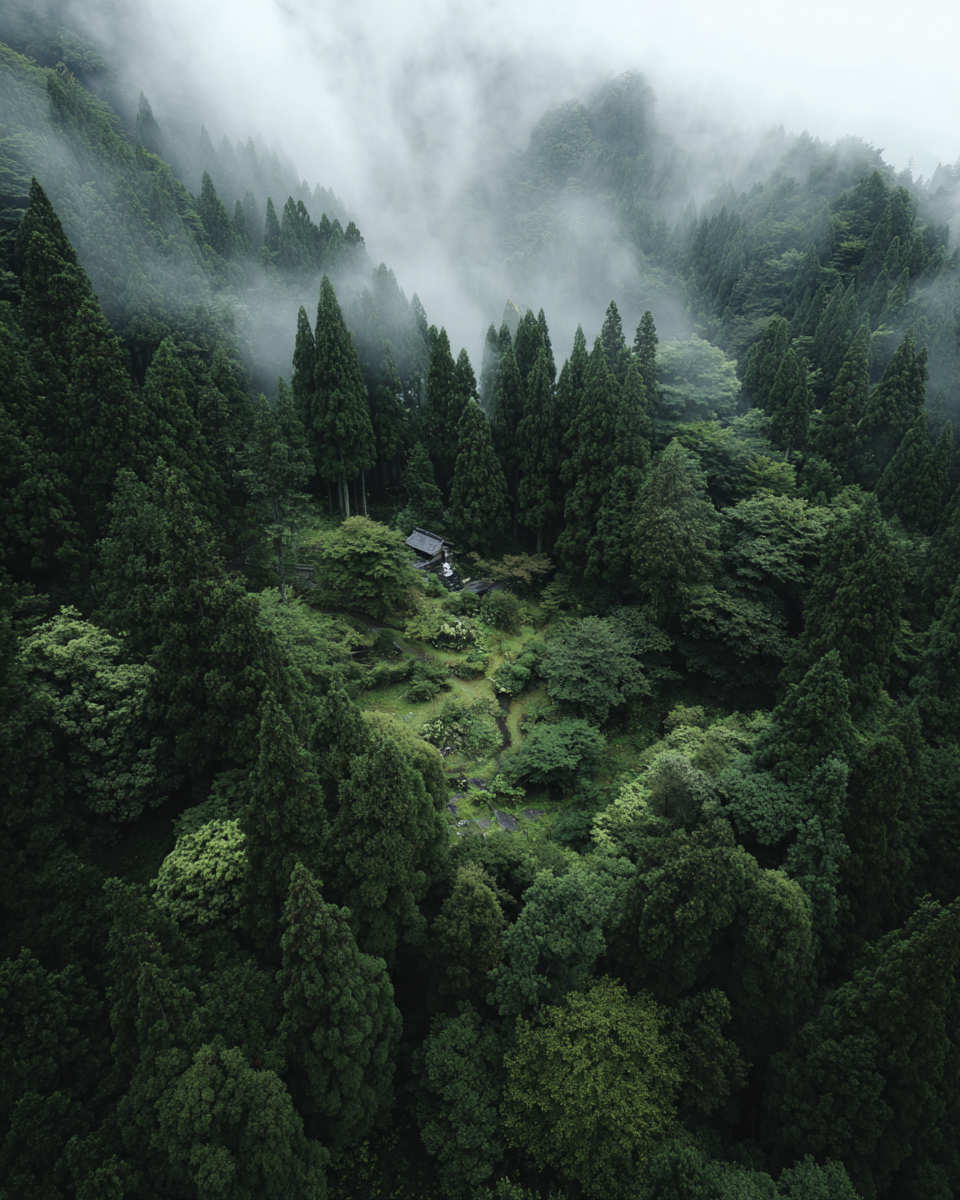
The conversation takes place in a disused onsen, deep in the mountains of Nagano. Steam rises from the stone pools, bamboo frames lean against the wall, and ropes, resins, and tools lie on the table. Hideo Mori continues working silently when Daniel Weiss enters the room.
DW: When you closed your studio in Tokyo, it was a bombshell. For many, your name was synonymous with Japanese design. Why this radical step?
HM: I wanted the silence back. In Tokyo, everything was too loud—trade fairs, brands, people. After the tsunami, I realized: I can't keep designing things that are merely beautiful. Beauty without meaning is noise. So I left. Here, I can hear again.
DW: You now live here, in the onsen. Everything is humid, warm, and peaceful. How does a place like this change the way you design?
HM: Water thinks slowly. So does wood. You have to wait until they respond. I used to forget that. Today, my design is a conversation – with humidity, with time. The studio is alive. I create with things that are allowed to age.
DW: Your nature drones have become known worldwide. Yet they seem like they're from another era. Where did the idea come from?
HM: From fear. I saw how nature warned us – and we didn't listen. I wanted to create a sign that was visible and audible, but without violence. That's how the guardians came about. Each drone reacts to something different: water, smoke, vibration. When danger threatens, they take to the air. No electricity. No plastic. Just nature itself, briefly beginning to fly.
DW: The construction is incredibly intricate. Bamboo, hemp, resins, minerals, mosses – all interwoven. How does something like that work?


HM: Bamboo provides direction, resin maintains tension, moss reacts. It swells as water rises, moving tiny joints. That's the trigger. Thirty minutes later, everything returns to normal. The drones sink, disintegrate. Nothing remains but the knowledge that they were awake.
DW: Your work often deals with responsibility. Do you see design as a form of care?
HM: Yes. Design used to be about pride. Now it's about care. I no longer build products. I build signs. Some you see, some you hear. The most beautiful ones are the ones no one notices – because they've fulfilled their purpose.
DW: And what remains of Hideo Mori?
HM: Perhaps just the idea that design is allowed to fade. If something fades, it means it was alive.
DW: Thank you for sharing this.
HM: Thank you for finding your way here. The path was steep, wasn't it?
DWHH.art is the personal art project of Daniel Weiss – a collaboration between humans and AI. All stories and images are fictional – created with artificial intelligence, told with human imagination. For all those who believe that beauty is allowed to think.


Comments